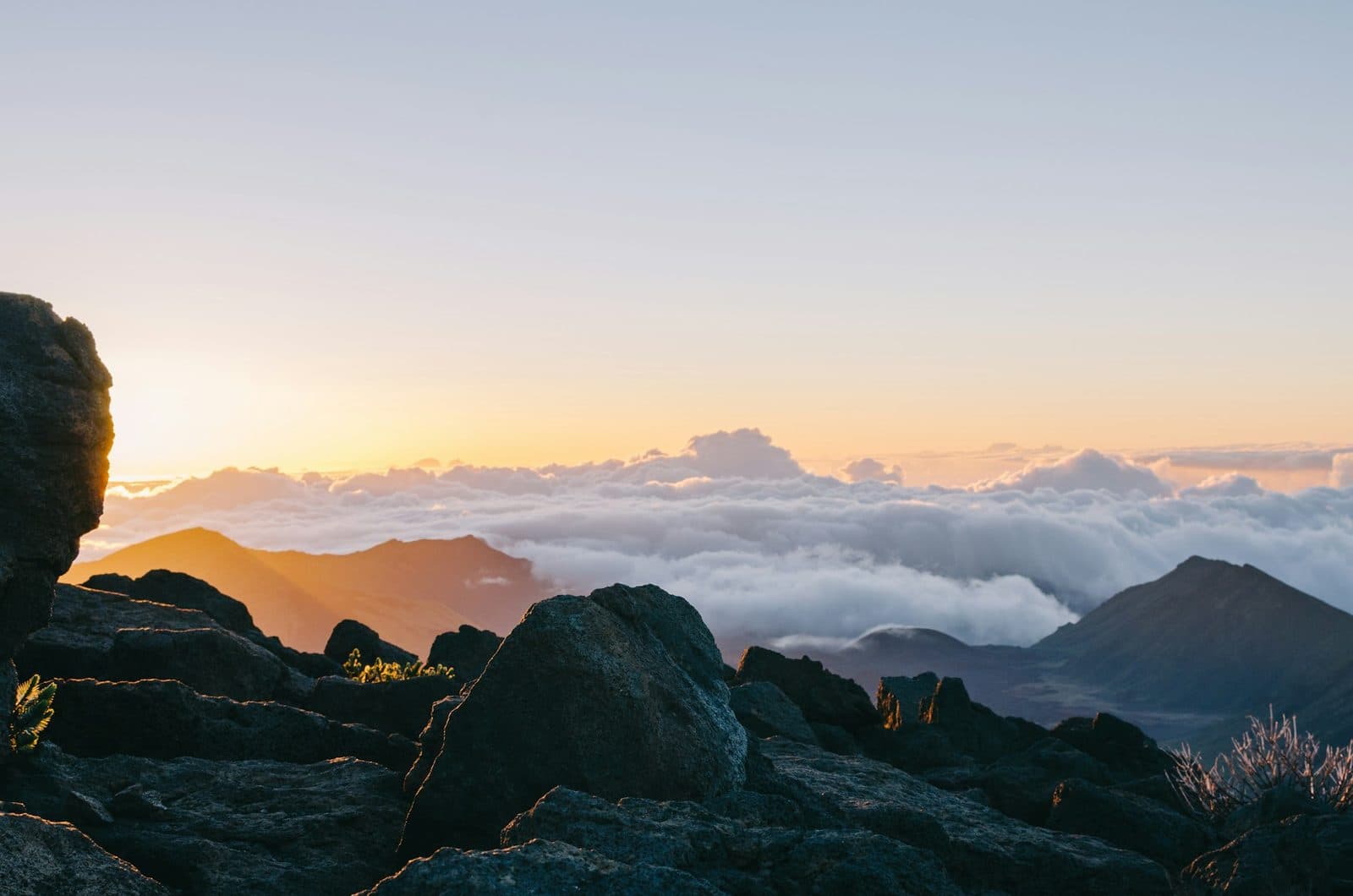
Haleakalā National Park (Sunrise)
Kula / Haleakalā Summit, Upcountry Maui
Above-the-Clouds Sunrise at 10,023 Feet
Watching the sunrise from the summit of Haleakalā — Maui's dormant volcano, and at 10,023 feet one of the highest points in the state — is one of Hawaiʻi's most genuinely iconic experiences: a vast volcanic crater landscape above a sea of clouds, lit up at dawn.
It's also a real physical undertaking, not just a scenic drive. The road up has one of the fastest elevation gains of any paved road in the world, and mild altitude sickness is common, especially for travelers who flew in recently. Pre-dawn summit temperatures can drop below freezing even in summer — dressing for the beach, not for 30°F wind, is the most common visitor mistake here.
Entry during the 3:00–7:00 AM sunrise window requires an advance vehicle reservation through the National Park Service (booked via Recreation.gov, up to 60 days ahead) — this is strictly enforced, not optional.
Why Roamwise recommends this
A genuinely must-do Maui experience for most travelers, but one that needs real advance planning, not a same-day decision.
Best for: an early, cold, physically light start to the day; travelers who've booked the reservation well ahead of their trip.
Insider tip: bring real layers (down to freezing temps), book your Recreation.gov reservation the moment your trip dates are set since slots fill up, and build in a buffer for altitude effects if you're only a day or two into your trip.
- Hazards / conditions:
- Mild altitude sickness (headache, shortness of breath, nausea, lightheadedness) is common at the 10,023 ft summit, especially right after flying in; temperatures can drop below freezing before dawn even in summer, 30°F+ colder than the coast; the summit is remote, with emergency medical help over an hour away.
- Safety notes:
- A vehicle reservation is required for entry between 3:00–7:00 AM — book up to 60 days ahead on Recreation.gov ($1 reservation fee, plus a separate ~$30 park entrance fee per vehicle). This is a hard requirement, not a suggestion; without it you will be turned away.
- Weather sensitivity:
- Fast-changing summit weather year-round — strong wind and cloud cover can appear with little warning regardless of season.
- Best arrival time:
- Plan to be through the entry gate by 3:00 AM for the sunrise reservation window.
- Avoid if:
- Travelers with asthma, a heart condition, or a history of altitude sickness should plan carefully and consult a doctor if unsure.
- Cost:
- $30 per vehicle (valid 3 days) or $15 per person on foot or bike; the park takes cards only. Sunrise entry (3–7 a.m.) also needs a separate $1 reservation per vehicle. (checked October 2026)
Reviews: Google MapsYelp
Local tips
- •Book your Recreation.gov sunrise vehicle reservation as early as possible — up to 60 days ahead — slots fill fast.
- •Dress for below-freezing temperatures, not Maui's coastal climate — bring real layers, hat, and gloves.
- •Give yourself at least a day or two at lower elevation before attempting the summit if you just flew in, to reduce altitude-sickness risk.
- •Fill your gas tank before heading up — there are no services near the summit.
Save places as you browse, then plan a trip built around your list.
View saved places →